

European Public Broadcasting and News Service
The Need for a European Public Broadcasting and News Service
In a dynamic and interconnected world, the role of media and journalism is paramount in shaping public discourse, fostering informed citizenship, and upholding democratic values. In combating the proliferation of fake news, the establishment of a European Public Broadcaster and News Service (EPBNS) founded on free market principles is paramount. While the free market often drives innovation and competition in media industries, there are certain functions and responsibilities that may not be adequately addressed solely by commercial entities.
This is where the concept of a European Public Broadcasting and News Service becomes essential, even within the framework of free market principles. Such an entity would uphold journalistic integrity, independence, and accuracy while fostering competition and innovation in the media landscape.
1. Ensuring Pluralism and Diversity:
A thriving media landscape requires diversity of voices and perspectives. However, commercial media outlets may prioritize profitability over providing a comprehensive range of viewpoints. A public broadcasting and news service can fill this gap by offering programming that represents a wide spectrum of opinions and interests, ensuring that the public has access to a plurality of information and viewpoints, which is essential for a healthy democracy.This ensures that a wide range of perspectives is represented, reducing the likelihood of information silos and echo chambers that amplify fake news.
2. Safeguarding Democratic Values:
A European public broadcaster founded on free market principles serves as a bulwark against threats to democracy posed by fake news. By upholding transparency, accountability, and journalistic ethics, it preserves the integrity of democratic discourse and strengthens democratic institutions.
3. Promoting Accountability and Transparency:
In a free market, media organizations may face pressures from advertisers, shareholders, or political interests that could compromise their editorial independence and integrity. A publicly funded broadcasting and news service, insulated from commercial imperatives, can uphold the highest journalistic standards, providing impartial and unbiased reporting that holds power to account and promotes transparency in governance and public affairs.Ensuring Credible Information from a public broadcaster prioritizes truth over sensationalism, providing the public with credible, reliable and real information about the European Institutions. This fosters publictrust and empowers european citizens to make informed decisions amids the deluge of misinformation.
4. Bridging Information Gaps:
In a diverse and geographically dispersed continent like Europe, especially in the Member States of the EU in east, there may be regions or communities underserved by commercial media due to economic factors or market dynamics. A public broadcasting and news service can bridge these information gaps by providing coverage of issues and events that may not be commercially viable for private media outlets, ensuring that all citizens have access to essential news and information regardless of their location or socioeconomic status.
5. Enhancing Media Literacy:
Through educational programming and fact-checking initiatives, a public broadcaster can enhance media literacy, equipping individuals with the critical thinking skills needed to discern fact from fiction in an era of rampant misinformation.
6. Empowering Consumer Choice:
In a free market environment, consumers are empowered to choose from a variety of sources. A public broadcaster adds to this choice by offering an alternative to commercially driven outlets, giving citizens access to unbiased, independent reporting.

7. Fostering Cultural Exchange and Understanding:
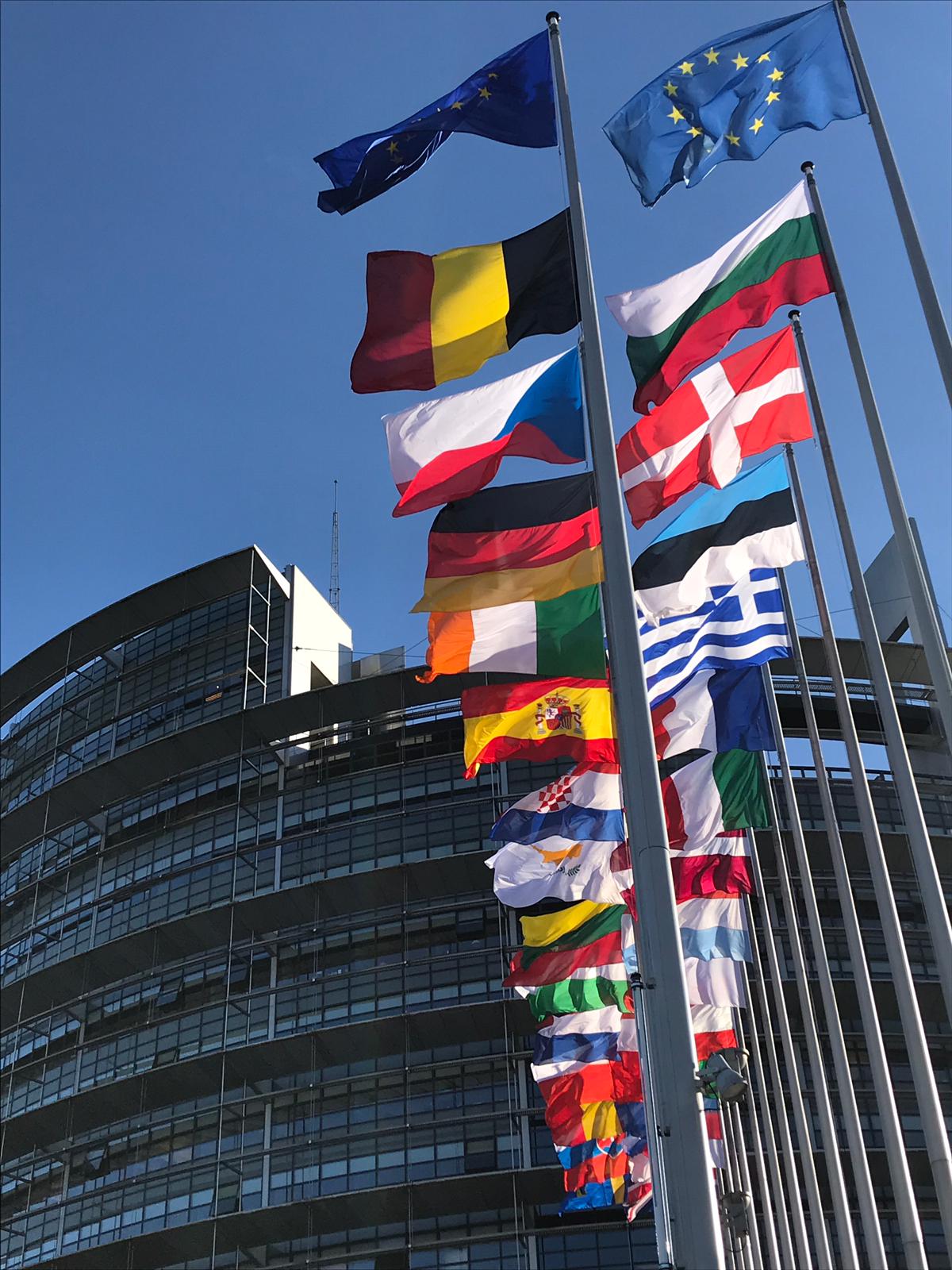
Europe is a mosaic of diverse cultures, languages, and traditions. A European public broadcasting and news service can play a crucial role in fostering cultural exchange, understanding, and cohesion across borders by showcasing the rich cultural heritage and diversity of the continent. By promoting cross-cultural dialogue and collaboration, it contributes to the promotion of European values and identity in an increasingly interconnected world.
8. Supporting Media Pluralism and Innovation:
Contrary to stifling competition, a public broadcasting and news service can complement and stimulate innovation in the media landscape. By investing in research, development, and technological infrastructure, it can serve as a catalyst for innovation and experimentation in media content production, distribution, and delivery, ultimately benefiting the entire media ecosystem and enhancing consumer choice and quality.
In conclusion, while the free market is instrumental in driving innovation and competition in media industries, there are inherent limitations and market failures that necessitate the existence of a European public broadcasting and news service. By fulfilling essential functions such as ensuring pluralism, promoting accountability, bridging information gaps, fostering cultural exchange, fighting against fake news and supporting media pluralism and innovation, it contributes by championing truth, diversity, choice, and media literacy, such an entity plays a vital role in defending democracy and promoting informed citizenship in Europe and building a democratic European society.